

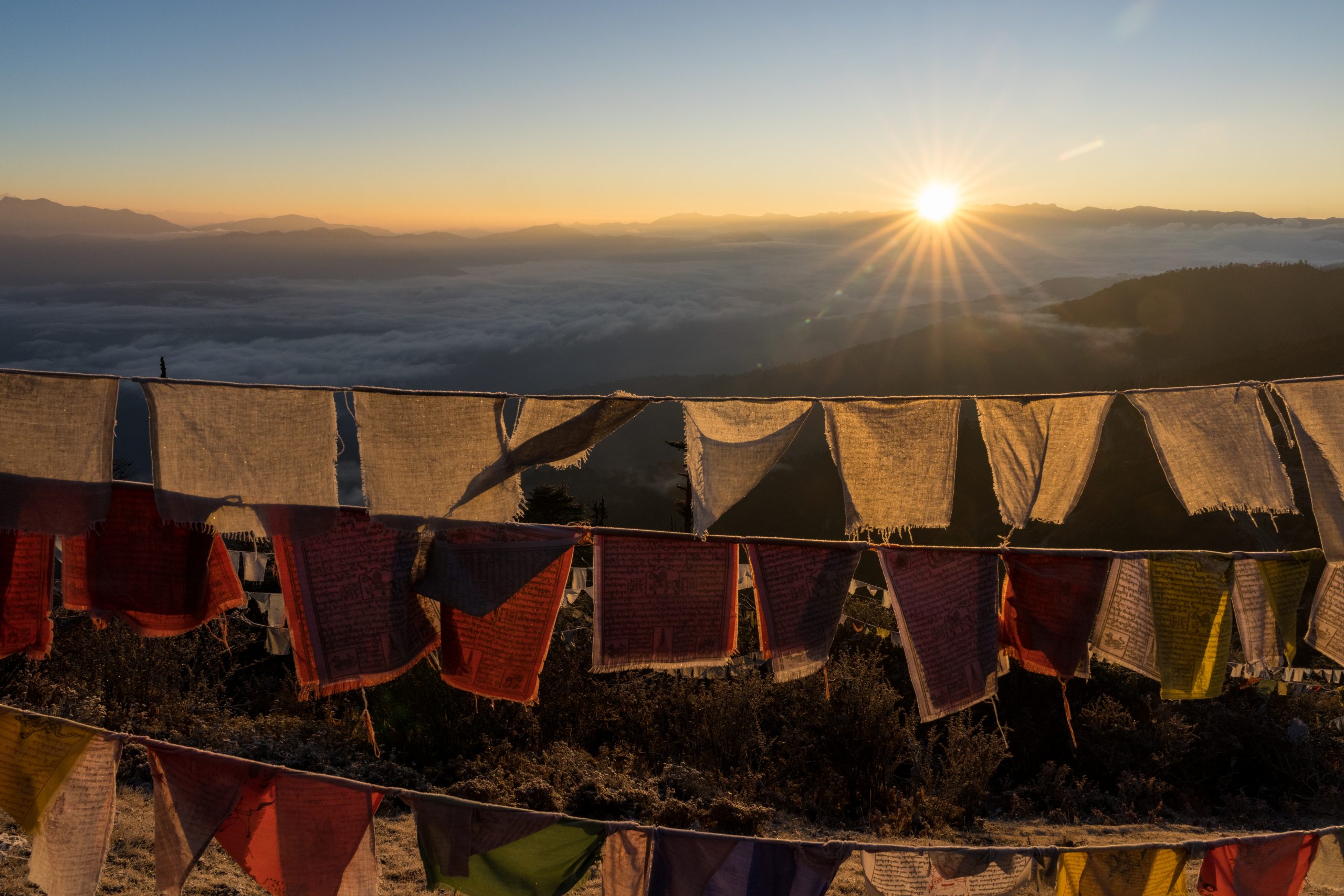
Tucked away in the heart of the Himalayas, the Kingdom of Bhutan has long captivated the imagination of travelers. Known as the “Land of the Thunder Dragon,” it’s a country that measures its success not by GDP, but by Gross National Happiness. This philosophy permeates every aspect of life, from its pristine environment to its deeply preserved Buddhist culture.
But planning a trip to Bhutan can feel mysterious. With its unique “High Value, Low Impact” tourism policy, it’s unlike any other destination. Don’t worry—this guide will demystify the process and help you plan the journey of a lifetime.
Why Visit Bhutan? The Unforgettable Allure
Bhutan isn’t just a place you see; it’s a place you feel. Here’s what makes it so special:
- The Cultural Identity: Witness ancient monasteries perched on cliffs, listen to the chanting of monks, and see locals in traditional Gho and Kira dress as part of daily life, not for tourists.
- Breathtaking Natural Beauty: From subtropical plains to soaring Himalayan peaks, Bhutan’s landscapes are pristine, with over 70% forest coverage.
- Pioneers of Well-being: The concept of Gross National Happiness means you’ll experience a society that genuinely values spiritual, environmental, and cultural well-being.
- Exclusive Travel Experience: The daily fee ensures the country remains unspoiled, offering an intimate and crowd-free travel experience.
The Bhutan Travel Policy: Your Key to Entry
This is the most important part of planning your trip. Bhutan manages tourism through a unique system.
The Sustainable Development Fee (SDF)
All international tourists (except those from India) must pay a Sustainable Development Fee (SDF) of $100 USD per person, per night. This fee goes towards funding the country’s free education, healthcare, and poverty alleviation programs, making your travel a direct contribution to Bhutan’s development.
The Visa Process
You cannot travel to Bhutan independently. You must book your trip through a licensed Bhutanese tour operator (or an international agent who partners with one).
- How it works: Your tour operator will handle your visa application. You need to provide your passport details and a digital passport photo.
- Visa Clearance: Once your SDF and tour costs are paid, the Department of Immigration will issue a visa clearance letter. You’ll present this at your port of entry (like Paro Airport) where your actual visa is stamped into your passport.
Pro Tip: Your tour package typically includes the SDF, accommodation, all meals, a licensed tour guide, a private vehicle and driver, and all internal transport (except flights). It’s an all-inclusive experience.
Crafting Your Perfect Bhutan Itinerary: 7 Days of Magic
While longer trips are ideal, a one-week itinerary offers a fantastic introduction to Bhutan’s cultural heartland. Covering places like; Paro, Thimphu and Punakha.
Day 1-2: Paro & Thimphu
- Arrive in Paro: Fly into the dramatic Paro International Airport, one of the world’s most challenging landings.
- Travel to Thimphu: Drive to the capital city, Thimphu (about 1 hour).
- Thimphu Highlights: Visit the magnificent Tashichho Dzong (the seat of government), see the giant Buddha Dordenma statue, and browse the weekend market.
Day 3: Thimphu to Punakha
- Dochula Pass: En route to Punakha, stop at the Dochula Pass (3,100m). On a clear day, you’re rewarded with breathtaking views of the Eastern Himalayas.
- Punakha Dzong: Explore the stunning Punakha Dzong, arguably Bhutan’s most beautiful fortress, situated at the confluence of two rivers.
Day 4-5: Punakha Valley & Return to Paro
- Chimi Lhakhang: Take a beautiful farmhouse walk to the “Temple of Fertility,” dedicated to the Divine Madman.
- Return to Paro: Drive back to Paro to prepare for the main event.
Day 6: The Tiger’s Nest Monastery (Taktsang Palphug Monastery)
- The Hike: This is the iconic Bhutan experience. The hike to Tiger’s Nest is a moderate-to-challenging 4-6 hour round trip, climbing 900 meters. The sight of the monastery clinging to a 900-meter cliff face is worth every step.
Day 7: Departure
Enjoy a final Bhutanese breakfast before your flight out of Paro.
Bhutan Bound: When to Go and Travel Tips
Best Time to Visit Bhutan
- High Seasons (Best Weather): March-May (spring, beautiful rhododendron blooms) and September-November (autumn, clear skies, perfect for trekking).
- Shoulder Seasons: December-February (winter) is cold but offers crystal-clear mountain views. June-August (summer) is the monsoon season—lush landscapes but potential for rain.
Essential Travel Tips
- Pack Layers: The weather can change quickly. Bring a mix of t-shirts, fleeces, and a good waterproof jacket.
- Respect the Culture: Dress modestly (cover shoulders and knees), especially when visiting dzongs and temples. Remove your shoes and hat before entering a religious building.
- Cash is King: While some hotels and larger shops accept cards, it’s wise to carry some Bhutanese Ngultrum (BTN) or USD for smaller purchases.
- Acclimatize: Paro is at 2,200m. Take it easy on your first day to avoid altitude sickness.
Ready to Experience the Magic?
A journey to Bhutan is more than a vacation; it’s a profound experience that stays with you long after you’ve returned home. It’s a chance to disconnect from the modern world and reconnect with nature, culture, and a different perspective on life.
Start researching licensed tour operators, decide on your dream season, and prepare to be humbled by the beauty and spirit of the Last Shangri-La.